Currently, demand for industrial warehouse space is high and growing, driven largely by the rapid growth of e-commerce and the expansion of logistics networks. E-commerce giants like Amazon are significantly increasing demand for warehouse space, and the industrial real estate sector is experiencing strong growth as a result. In fact, it is projected that over one billion square feet of industrial warehouse space will be needed within the next five years to meet this demand.
There are many things to consider before making an investment, especially in a competitive market. From infrastructure to market trends, the decision to buy a warehouse—also known as a warehouse purchase—can be a good investment. Warehouse investing offers benefits such as property appreciation, passive income through leasing, and portfolio diversification. Industrial buildings and warehouse properties come in various types, each with unique features and investment potential. Commercial property, especially industrial warehouse space, is now seen as a strategic asset for investors due to its strong growth and stability.
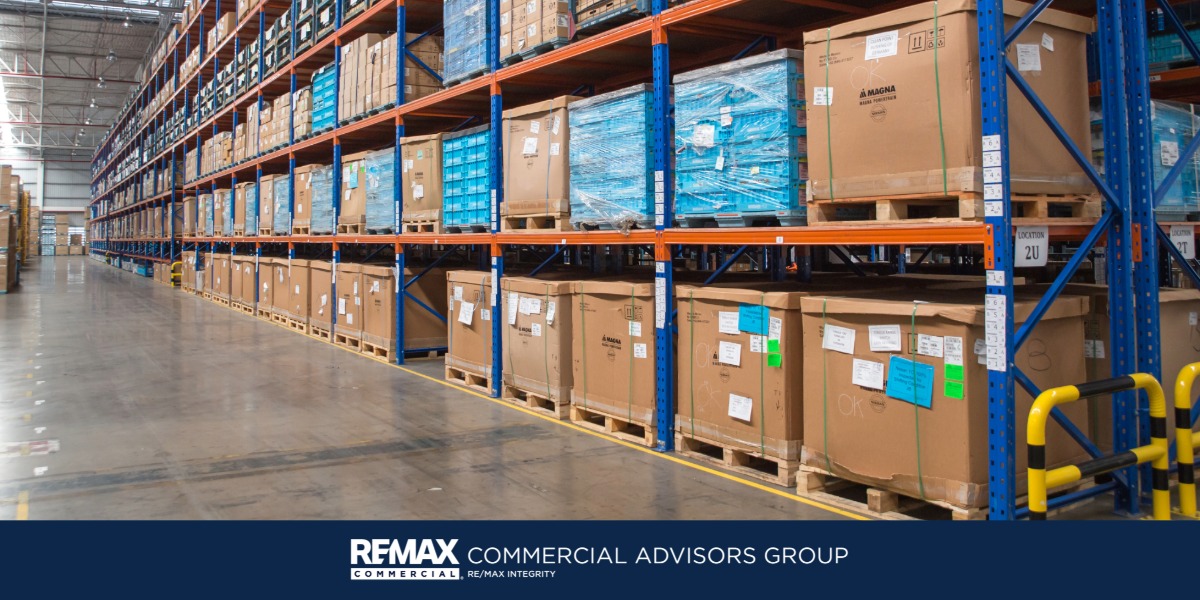
Long-term leases with stable tenants can provide consistent cash flow, and the average price per square foot for industrial real estate has risen significantly since the start of the pandemic, making it a lucrative investment option. Low maintenance costs and the ability to make small-scale investments allow for diversification and increased stability. Investing in warehouses can also solve business problems by providing much-needed space and positioning you as a key player in this thriving market sector.
However, with careful planning and guidance, you can avoid common pitfalls and make the right decision for your business needs. If you are looking to buy a warehouse in Houston, this blog post provides detailed insights to help you navigate the process and make informed decisions.
Understanding Industrial Property Types
Industrial properties come in a variety of forms, each designed to support different business operations and investment strategies. Understanding these property types is essential for commercial real estate investors and business owners looking to maximize the benefits of their warehouse investment. Here’s a breakdown of the most common types of industrial properties:
- Warehouses: The backbone of industrial real estate, they provide essential storage for goods, raw materials, and finished products. These facilities are often categorized by class—such as Class A, B, C, or D—based on factors like age, condition, and location. Choosing the right warehouse space is crucial for meeting your business needs, whether you require a modern facility with advanced logistics capabilities or a more cost-effective option for basic storage.
- Manufacturing Facilities: Manufacturing facilities are tailored for the production of goods and can range from small, specialized plants to expansive, complex operations. These properties often require significant infrastructure investments, including specialized equipment and utilities, making them a key component of industrial property portfolios for businesses focused on production.
- Flex Space Warehouses: Flex space warehouses offer a unique blend of warehouse space and office areas, providing flexibility for businesses that need both storage and administrative functions under one roof. This type of industrial property is ideal for companies with evolving business operations, as it enables easy adaptation as their operations grow or change.
- Distribution Centers: Large-scale facilities designed for the efficient storage and shipping of products. Used by distribution companies and fulfillment centers, these properties are critical for logistics operations, especially as online shopping continues to drive increased demand for rapid delivery and streamlined supply chains.
- Raw Materials Warehouses: Specialized storage facilities dedicated to storing the essential materials used in manufacturing processes. By ensuring a steady supply of raw materials, these warehouses help businesses maintain consistent production and avoid costly delays.
- Ship Warehouses Cross-Dock Facilities: Ship warehouses, also known as cross-dock facilities, are designed for the rapid transfer of goods between different modes of transportation. By minimizing storage time and maximizing efficiency, these properties are vital for businesses that rely on fast-moving logistics operations and need to keep maintenance costs low.
- Industrial Parks: Large areas zoned for industrial use, often featuring a mix of warehouses, manufacturing facilities, and office spaces. These parks provide a concentrated environment for industrial activities, offering access to shared infrastructure, transportation hubs, and other services that support business operations.
When evaluating industrial property for investment or business use, it’s important to consider multiple factors such as location, lease structures, and ongoing maintenance costs. Industrial properties—including warehouses, distribution centers, and flex space warehouses—offer significant benefits for commercial real estate investors, such as consistent cash flow, tax advantages, and the potential to generate passive income. As e-commerce and online shopping continue to fuel demand for storage space and logistics operations, warehouse space remains a lucrative opportunity for those looking to diversify their real estate portfolios and build long-term value.
1. Location
The location of your warehouse is critical to your business’s success. When buying a warehouse, consider key location factors such as proximity to transportation hubs, access to skilled labor, and regional economic trends. Selecting the right location is essential for maximizing your return on investment, as it directly impacts operational efficiency and property value appreciation. Proximity to customers, suppliers, and major transportation routes reduces shipping costs and times, making your operations more efficient. As companies increasingly seek strategically located warehouse facilities to optimize operations and reduce transportation costs, choosing the right site becomes even more important.
Houston has several areas that offer great warehouse locations. Make sure you choose a location that meets your business’s needs.
2.Size
The size of your warehouse will depend on your business’s needs. Warehouse space is typically measured in square feet, and costs—such as setup and real estate prices—are often calculated per square foot. Typical costs to set up a warehouse range from $55 to $70 per square foot, excluding land purchase. Consider the amount of inventory you need to store and the number of employees working in the warehouse. You want to ensure you have enough space for everything to run smoothly. When evaluating types of industrial buildings, Class B warehouses can be a cost-effective option, especially for e-commerce fulfillment or retrofitting needs. Don’t forget parking ratios, as a typical Industrial building will be half that of an office property.
3. Infrastructure
Warehouse infrastructure includes things like power (Phase, Volts, Amps), HVAC, and utilities. For modern industrial warehouse space, a clear ceiling height of 32 feet or higher is typically required to maximize vertical storage density. Ensure the warehouse’s infrastructure meets your needs and that utility and maintenance costs are within your budget.
4. Security
Security is essential for any business, especially for a warehouse. Look for a location with security measures, such as gated access or surveillance cameras. If the site does not have these measures in place, consider investing in them yourself.
5. Accessibility
Accessibility is crucial for shipping and receiving goods. Ensure your warehouse location has easy access to major highways and ports. This will make it easier for shipments to come and go from your warehouse.
6. Condition
It’s also important to consider the condition of the warehouse. Check for any damage or repairs that need to be made before you purchase the warehouse. This will prevent any unforeseen costs down the road.
7. Environmental Concerns
Houston’s industrial areas are subject to environmental concerns like air and water pollution. Make sure you choose a location that complies with ecological regulations so you don’t run into any issues later.
8. Property Taxes
Taxes can be a significant factor in the cost of buying a warehouse. Research Houston’s tax laws to know what to expect regarding property taxes. Additionally, buyers can benefit from depreciation deductions, which offer valuable tax advantages by allowing you to offset income and reduce your overall tax liability when investing in warehouses.
9. Warehouse Investment Financing
Buying a warehouse can be expensive, so consider your financing options. Lenders typically require a down payment ranging from 10% to 25% for warehouse purchases. Look for a lender that specializes in commercial mortgages or warehouse financing. Interest rates play a significant role in determining your financing costs and can affect the overall profitability of your investment, as fluctuations can impact property values and borrowing costs. SBA 504 Loans are an ideal option for purchasing owner-occupied warehouses, whether existing or new construction, with low down payments. Additionally, short-term, high-interest loans are available for quick acquisitions or for properties that need significant renovation before securing permanent financing.
10. Documentation
Finally, ensure you have all the necessary documentation before purchasing the warehouse. This includes permits, insurance, and financing agreements.
Before investing your money in a warehouse, you want to ensure everything is in order.
The decision to buy a warehouse in Houston requires careful consideration. Working with a professional REALTOR® is critical to finding your ideal property.
At RE/MAX Commercial Group Advisors, our team of experts has the knowledge and experience to help guide you through the entire process, ensuring you make the best decision for your business. Contact us today to discuss how we can help you with your warehouse buying needs.